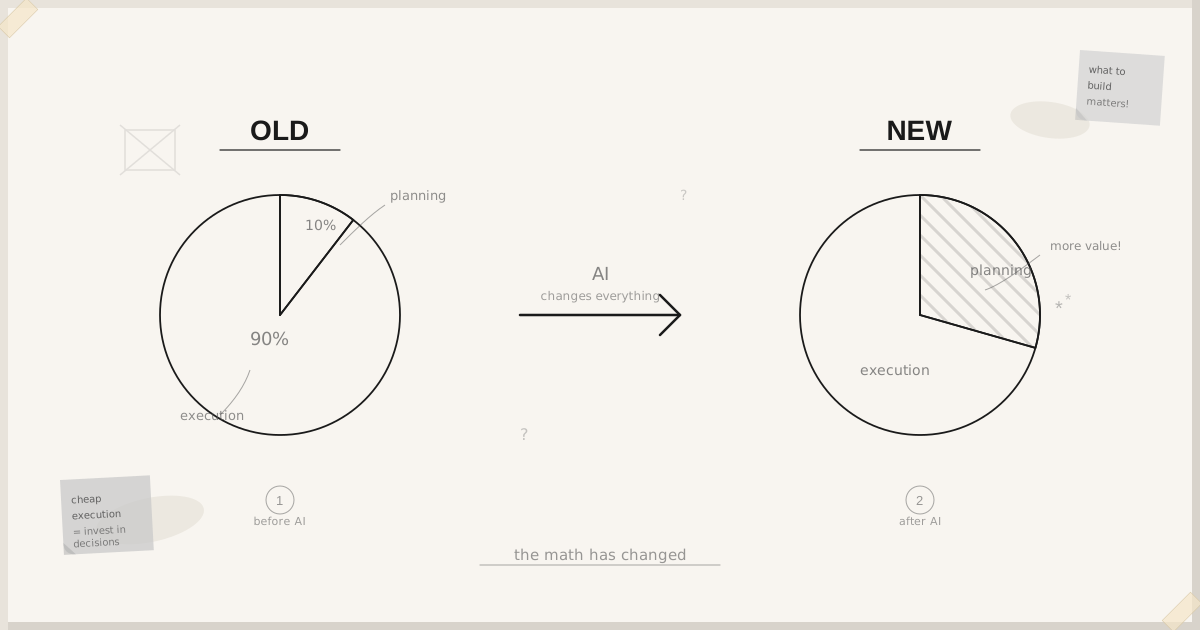

For years, software development ran on a pretty consistent formula: 10% planning, 90% execution. You could see it in the headcount. Walk into any tech company and count the developers, QA engineers, and DevOps staff versus the product managers and architects. The ratio told the story: building the thing took most of the time and money.
AI has flipped that equation, but most teams haven't caught up.
The Old World
Writing code, deploying it, testing it, fixing it: that was the expensive part. A feature that took five minutes to spec could take five weeks to ship. So we optimised for execution. We built processes around it. We hired for it.
Planning was quick because it had to be. You couldn't afford to spend weeks in discovery when the build would take months regardless.
What's Changed
Execution costs have collapsed. Code that took a day now takes an hour. Entire features materialise from conversations. The 90% became... less.
But here's what I'm seeing: teams are treating this like a straight win. Faster execution, same planning, more output. Ship ship ship.
That's backwards.
The Real Shift
When execution was expensive, a mediocre plan executed well could still work. You'd course-correct during the long build phase. The cost of building forced you to think things through as you went.
When execution is cheap, bad decisions compound faster. You can build the wrong thing in a fraction of the time. You can build it five different ways before realising none of them were right.
The planning and design work didn't get less important. It got more important. It's now a larger percentage of the actual value you're adding.
What This Means
If you're spending the same amount of time on architecture decisions, requirements gathering, and design thinking as you did two years ago, you're underinvesting.
The teams that will win aren't the ones executing fastest. They're the ones making better decisions about what to execute.
Cheap execution is only valuable when you're building the right thing.